Nelida Nassar 08.12.2026
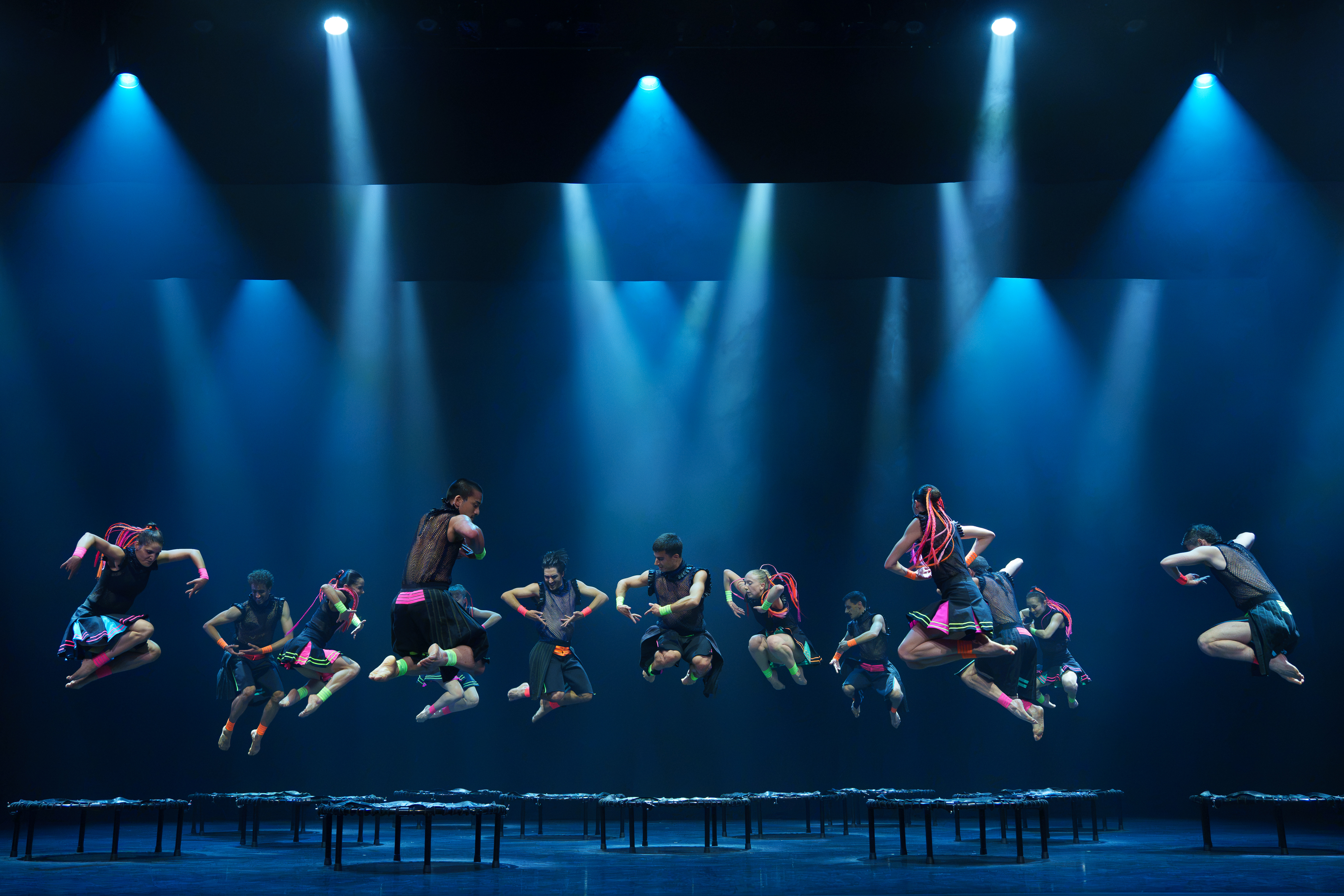
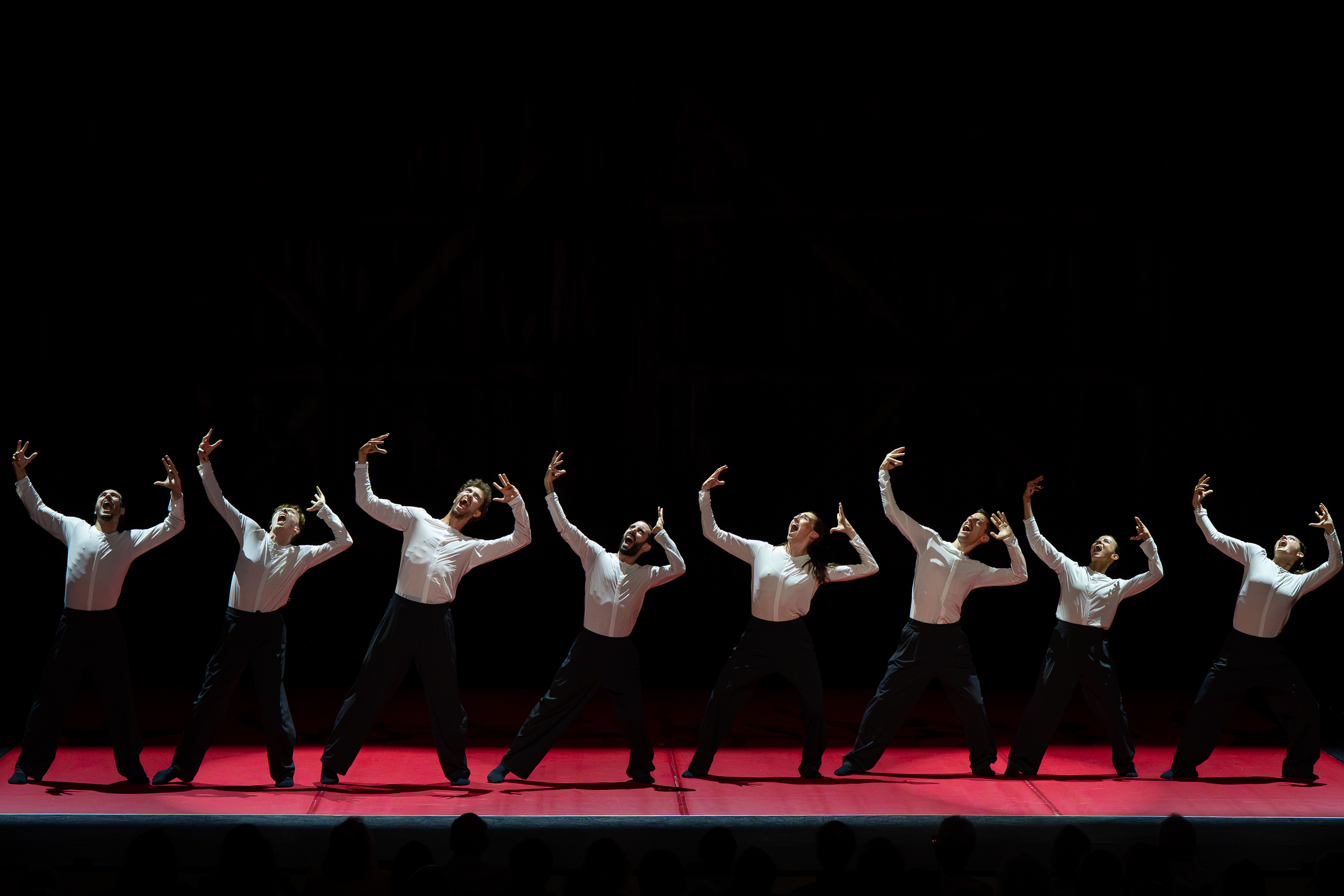
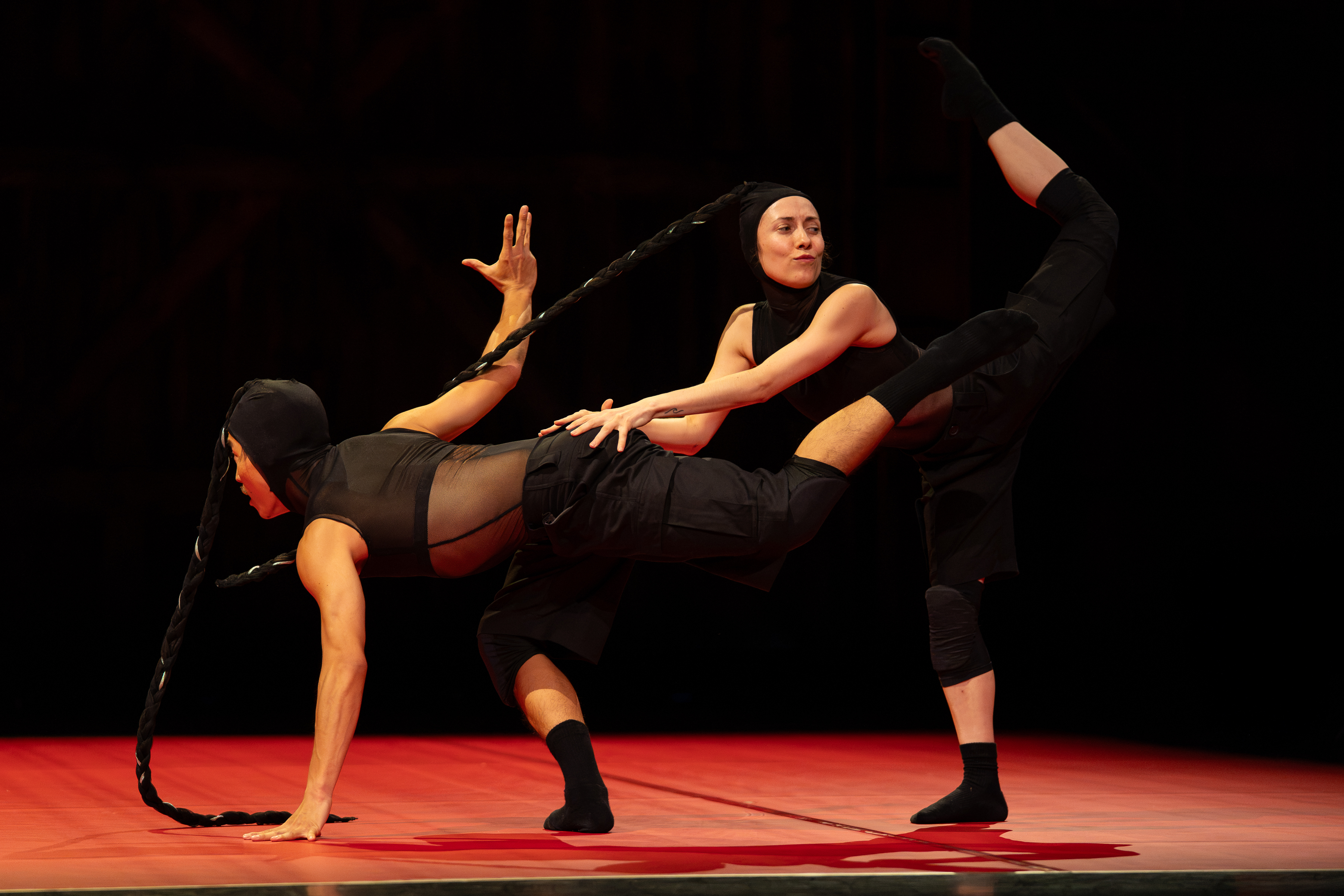
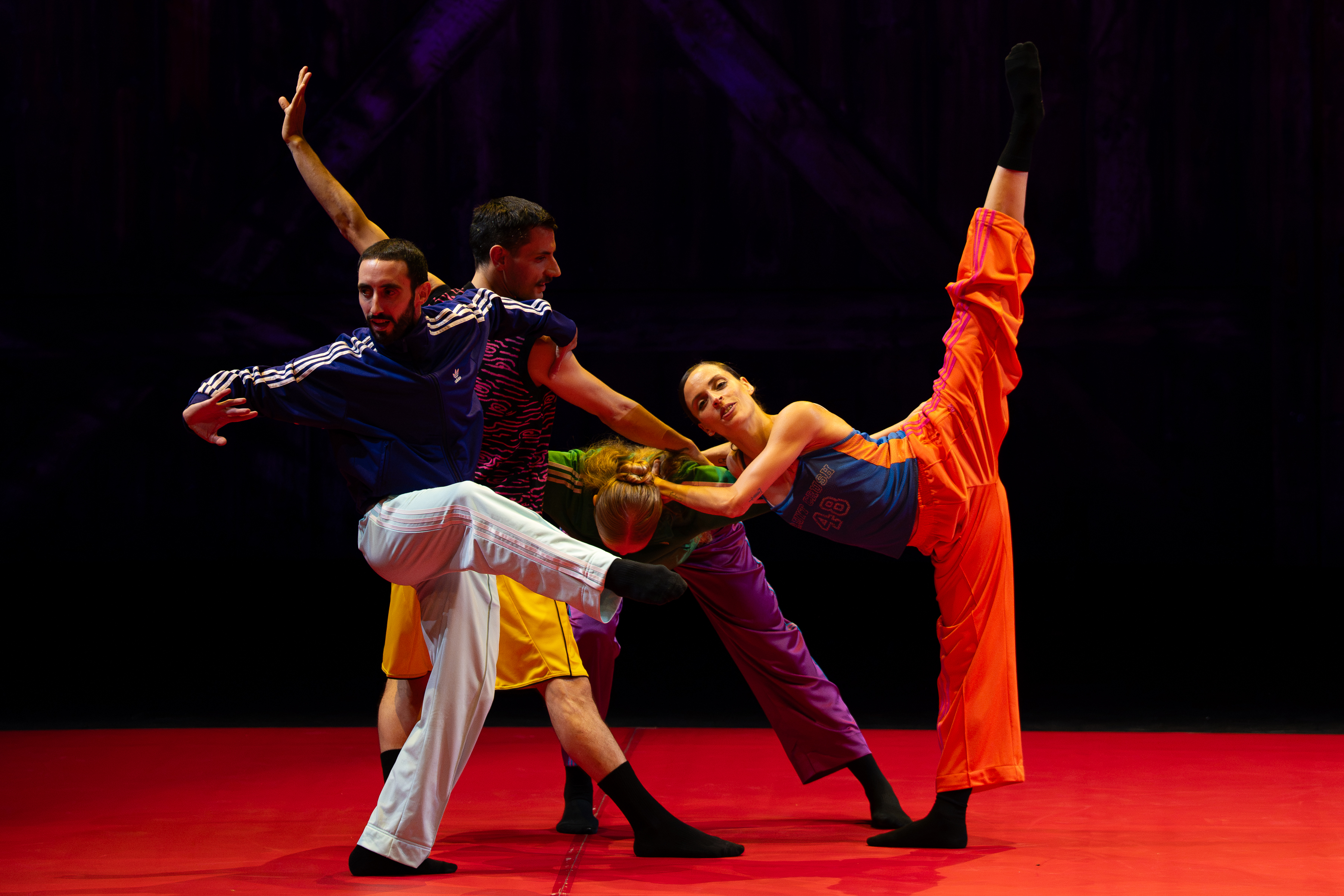
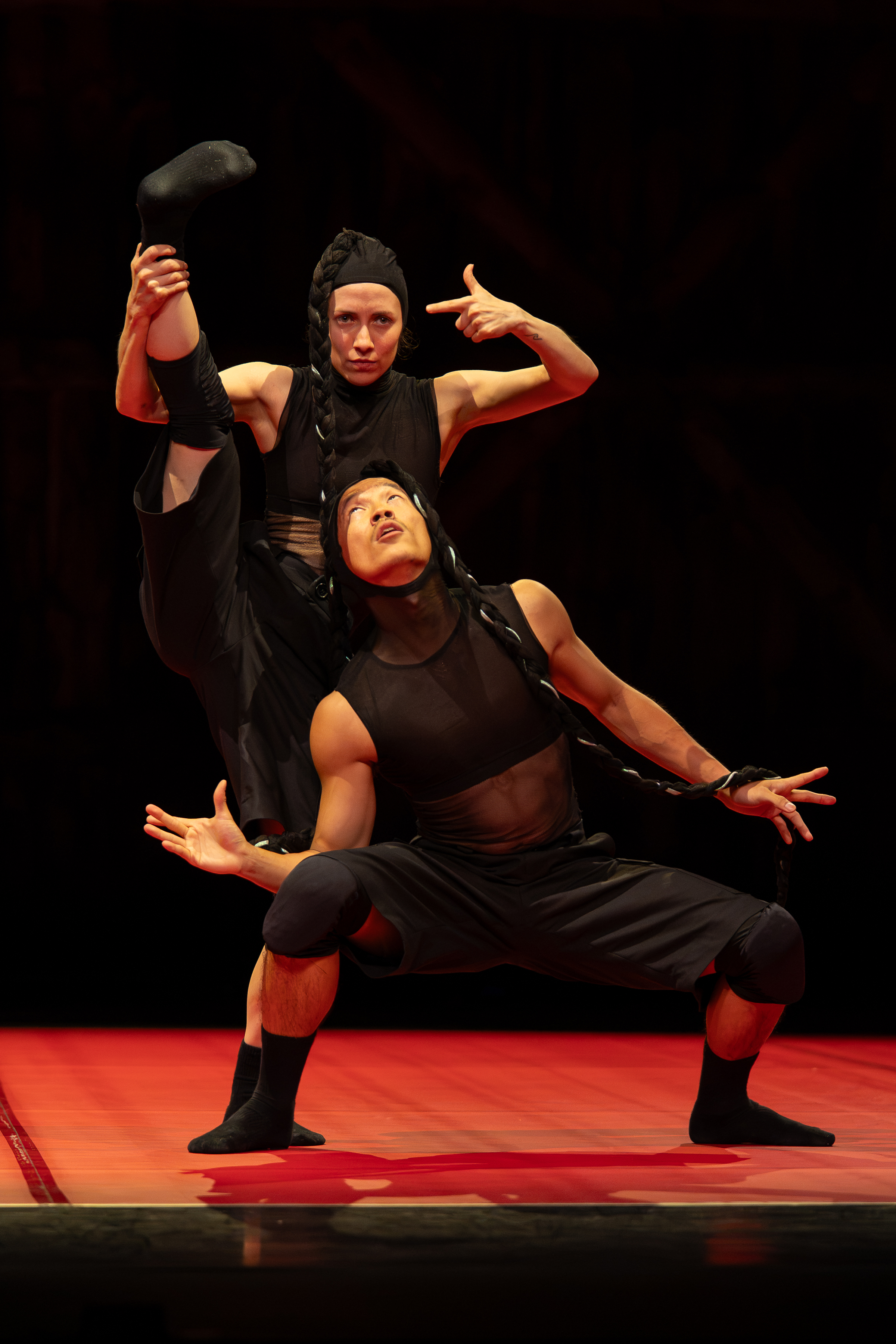
An internationally renowned figure in the world of contemporary dance, choreographer and director Eric Gauthier, at the helm of the Dance Company Theaterhaus Stuttgart, returns by popular demand to the 2026 edition of Jacob’s Pillow Dance Festival. He and his 16 dynamic dancers have earned international acclaim for their bold repertoire and magnetic performances. Recognized as a pioneer for exploring the possibilities of movement, Gauthier introduced himself, first as Quebec-born, then as a dance master and director of the Dance Company Theaterhaus Stuttgart, in Germany. This was not a forced exile, but a logical sequence of events for someone with his talent and a sense of resourcefulness. Not to mention that when it comes to dance, international exchanges are multiple and most often bear fruit.
In the first part of the program Gauthier had challenged a dozen major names in international dance to create FireWorks Project, a group of pieces that would embody the artistic identity of Theaterhaus Stuttgart — a venue with a rich jazz tradition. In this case, music acts as a powerful catalyst. The Jacob’s Pillow’s evening offered daring contributions from nine creators for ten dances of which nine premiered in the US. An explosive opening was provided by Barak Marshall, and the program culminated with a spectacular finale: Andonis Foniadakis’s Bolero. In between, there was a whirlwind of irresistible pieces by Mauro Bigonzetti, Virginie Brunelle, Stijn Celis, Dominique Dumais, Johan Inger, Benjamin Millepied, Barak Marshall (who has a second piece in the program), and Sofia Nappi.
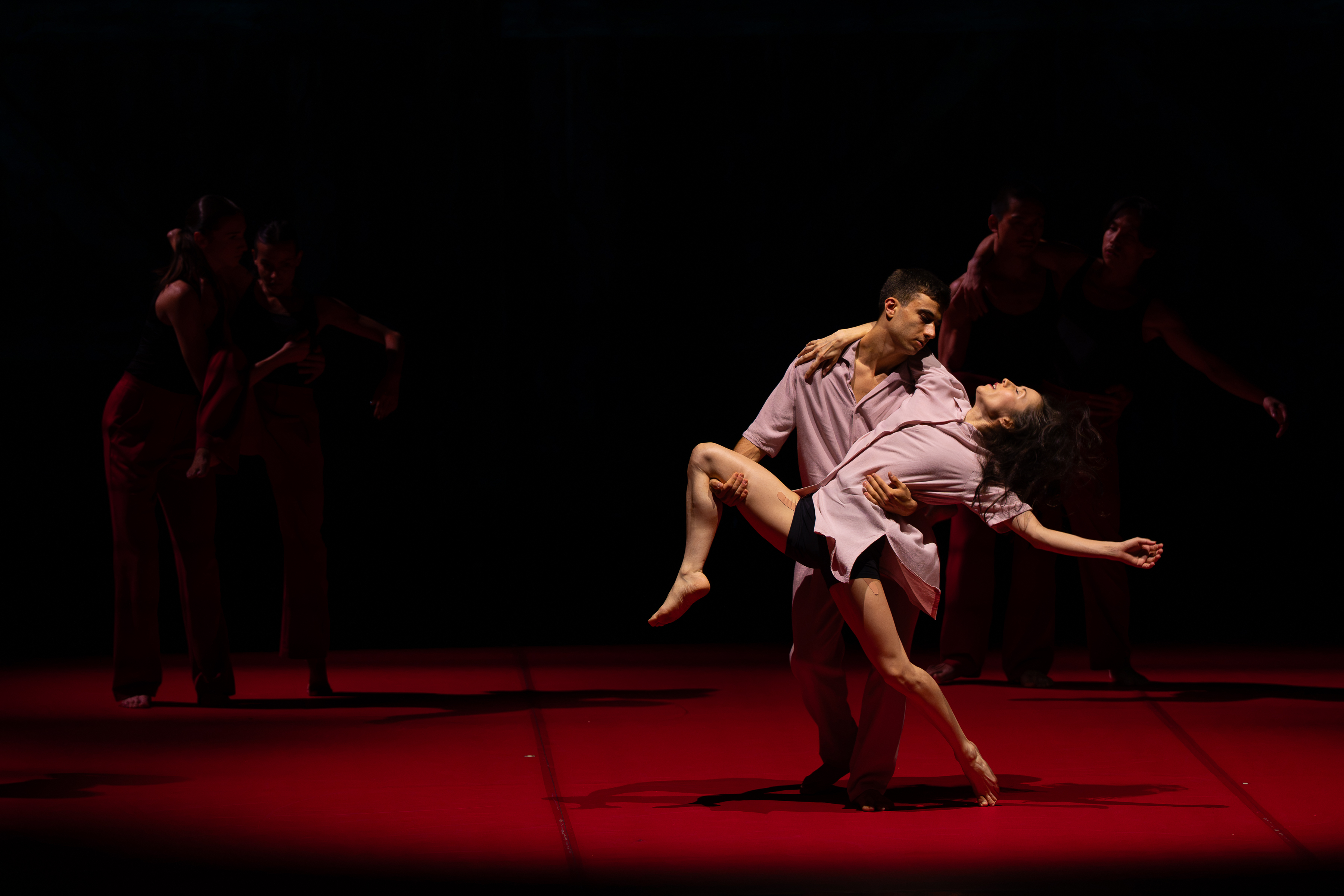
In Fully Blue, choreographer Mauro Bigonzetti pairs his signature close-contact, physical style with Chet Baker’s rendition of the standard I’m Old Fashioned. While this may not be Bigonzetti’s most groundbreaking work, the partnering brought an above-average emotional and technical resonance to the stage. While Charlie for seven dancers is a contemporary dance work featuring an Afro-rhythm style, it draws its musical inspiration from the work of legendary French-Armenian artist Charles Aznavour. A Thousand Thoughts followed a haunting contemporary dance duet by Swedish choreographer Johan Inger. Set to the music of the Kronos Quartet — incorporating ominous bells and their version of the traditional Swedish folk tune Tusen Tankar — the piece did explore memory, companionship, and a lingering, repeated farewell. Benjamin Millepied’s Hymn to Freedom is a short, upbeat number for a quartet of dancers, set to Oscar Peterson’s jazz composition of the same name. A jaunty, refreshing work combining fast, springy footwork with open breathiness and sharp head movements, it culminated in a closing cluster that feels like a celebration of friendship.
The most challenging work of the evening was Virginie Brunelle’s Carousel for seven dancers. It combined the music of Philip Glass’s Les Enfants Terribles, arrangement for piano duet: II, Paul is Dying. Here many differences in tones and rhythms nourish the dancers’ movements. The most surprising were the pas de deux or should we say rather “fusion of two” favoring the man-woman, woman-woman and man-man couple. Brunelle does not just present dance for dance’s sake, but imposes an intellectual reading of her art by drawing on philosophical thought. Let’s admit that the music helps the movement a lot, with the team of dancers feeling each stage of the musical piece like a heartbeat perpetuated by the traces it leaves.
In the second half of the program, we enjoyed pieces by Sharon Eyal, Eric Gauthier, and Greek choreographer Andonis Foniadakis. Alone is an intense dance, choreographed by Sharon Eyal –a fierce, hypnotic abstraction of fire, showcasing the choreographer’s signature trait of precise, classic lines, club-inspired pulsing rhythms, and raw emotional vulnerability challenging the dancers to remain en pointe throughout the performance.
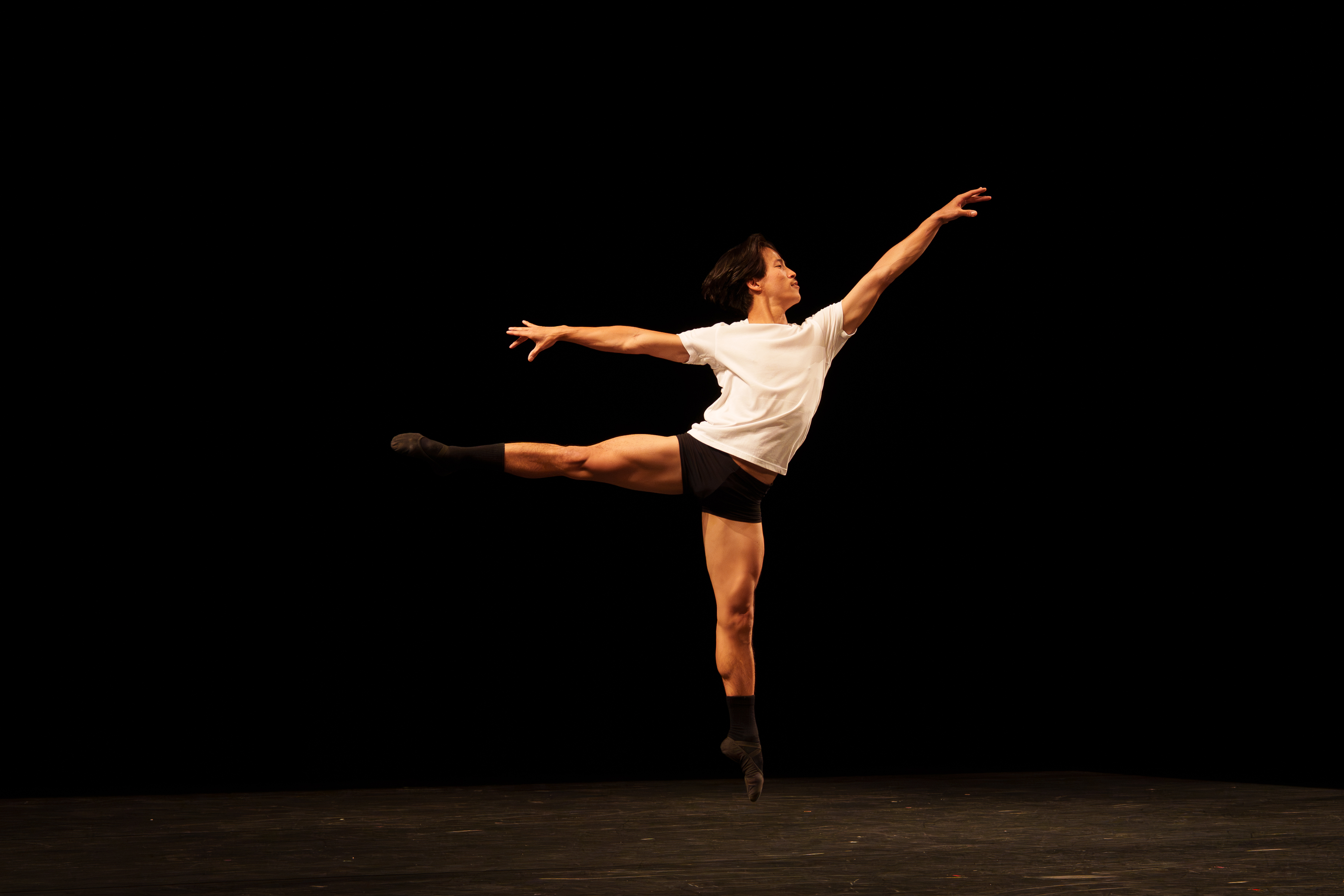
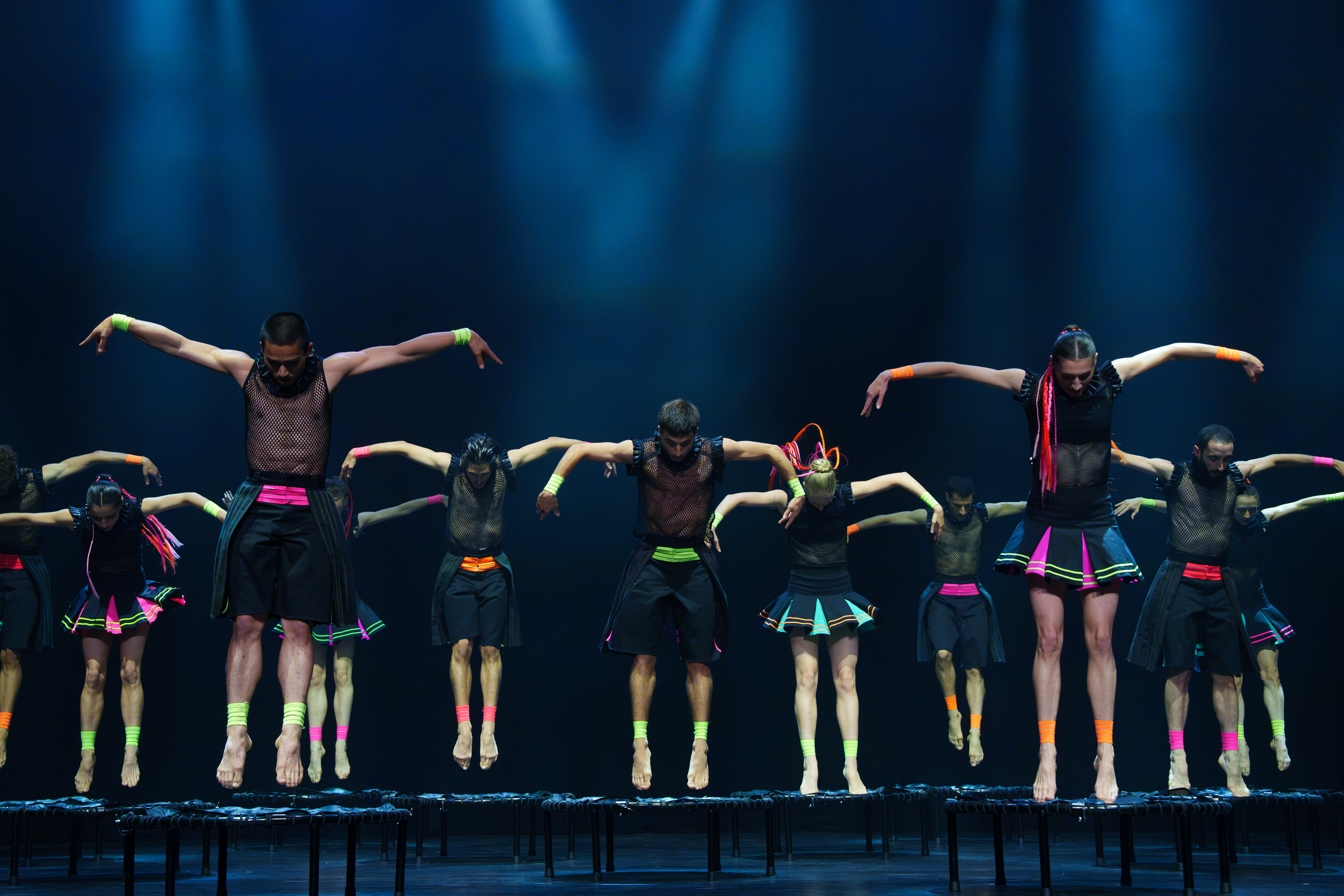
The much-awaited Eric Gauthier’s Ballet 101, performed by the astonishing soloist Shori Yamamoto, is a humorous “crash course” in classical ballet. Using the basic five positions as his starting point, Gauthier creates 100 positions with tongue-in-cheek references to famous ballets and choreographers. The first section demonstrates the positions, while the second half of the piece combines them randomly to create a choreography with a surprise ending. The evening concluded with Bolero, originally choreographed in 2024. It brought the world of Maurice Ravel back to life. The audience was won over from the start, captivated both by the brilliance of Foniadakis’s concept and by the performers’ execution. Ravel’s music, naturally, further enhances this choreographic harmony, which shines thanks to the strength, liberating energy, and sensuality of the bodies in motion. It is devilishly difficult to dance, for it combines sequences of complex movements with rapid tempo. This cult piece also pushes performers to exhaustion.
Throughout the evening the company displayed its extraordinary blend of precision, power, and play, as well as a great deal of wit, musicality, and fearless physicality. Yes, dance also has its own politics of the gaze. The spectator casts an eye not only on the choreography but also — and for some, unconsciously — on the physicality of the dancers. Ultimately, it is but a short step from dance to Eros.
Gauthier Dance/ Dance Company Theaterhaus Stuttgart
July 29-August 2, 2026
Artistic Director, Eric Gauthier
Dancers: Rebecca Amoroso, Bruna Andrade, Tuti Cedeno, Andrew Cummings, Karlijn Dedrood, Stefano Gallelli, Garance Goutard-Dekeyser, Barbara Melo Freire, Shai Ottolengi, Luca Pannacci, Alexandra Policaro, Arnau Redorta Ortiz, Sidney Elizabeth Turtschi, Giovanni Visone, Shawn Wu, Shori Yamamoto
Part One
The Fireworks Project (2025)
Idea and concept, Eric Gauthier
Costume design, Gudrun Schretzmeir and the choreographers
– The Gathering
Choreography, Barak Marshall in collaboration with the dancers
Music, Fanfare Ciocărlia si suite, Moliendo Café
– Fully Blue
Choreography, Mauro Bigonzetti
Music, Chet Baker, I’m Old Fashioned
– Hold Me Now
Choreography, Dominique Dumais
Music, Laurie Anderson, O Superman
– Ritual in Ruin
Choreography, Rena Butler
Music, Rabih Abou-Khalil, Awakening, Nandi
– Charlie
Choreography Sofia Nappi
Music, Charles Aznavour, La Boheme (Italian Version)
– A Thousand Thoughts
Choreography Johan Inger
Music, Kronos Quartet, Bells, Tusen Tankar
– Thinking About
Choreography Stijn Celis
Music, Bobby McFerrin, Thinking About Your Body
– Carousel
Choreography, Virginie Brunelle
Music, Philip Glass, Les enfants terribles (Arrangement for piano duet): II, Paul is Dying
– Hymn to Freedom
Choreography, Benjamin Millepied
Music, Oscar Peterson Trio, Hymn to Freedom
– The End
Choreography, Barak Marshall
Music, Fanfare, Ciocorlia, Dusty Road
Part Two
– Alone (2024)
Choreography and costume design, Sharon Eyal
Soundtrack design, Josef Laimon
Music, Eliza
Lighting design, Alan Cohen
– Ballet 101 (2006)
Choreography, Eric Gauthier
Sound Collage, Eric Gauthier, Jens-Peter Abele
Costume and Lighting, Eric Gauthier
– Bolero
Choreography, Andonis Foniadakis
Music, Maurice Ravel
Lighting, Sakis Birbilis
Costumes, Anastasios

