Nélida Nassar 8.24.2026
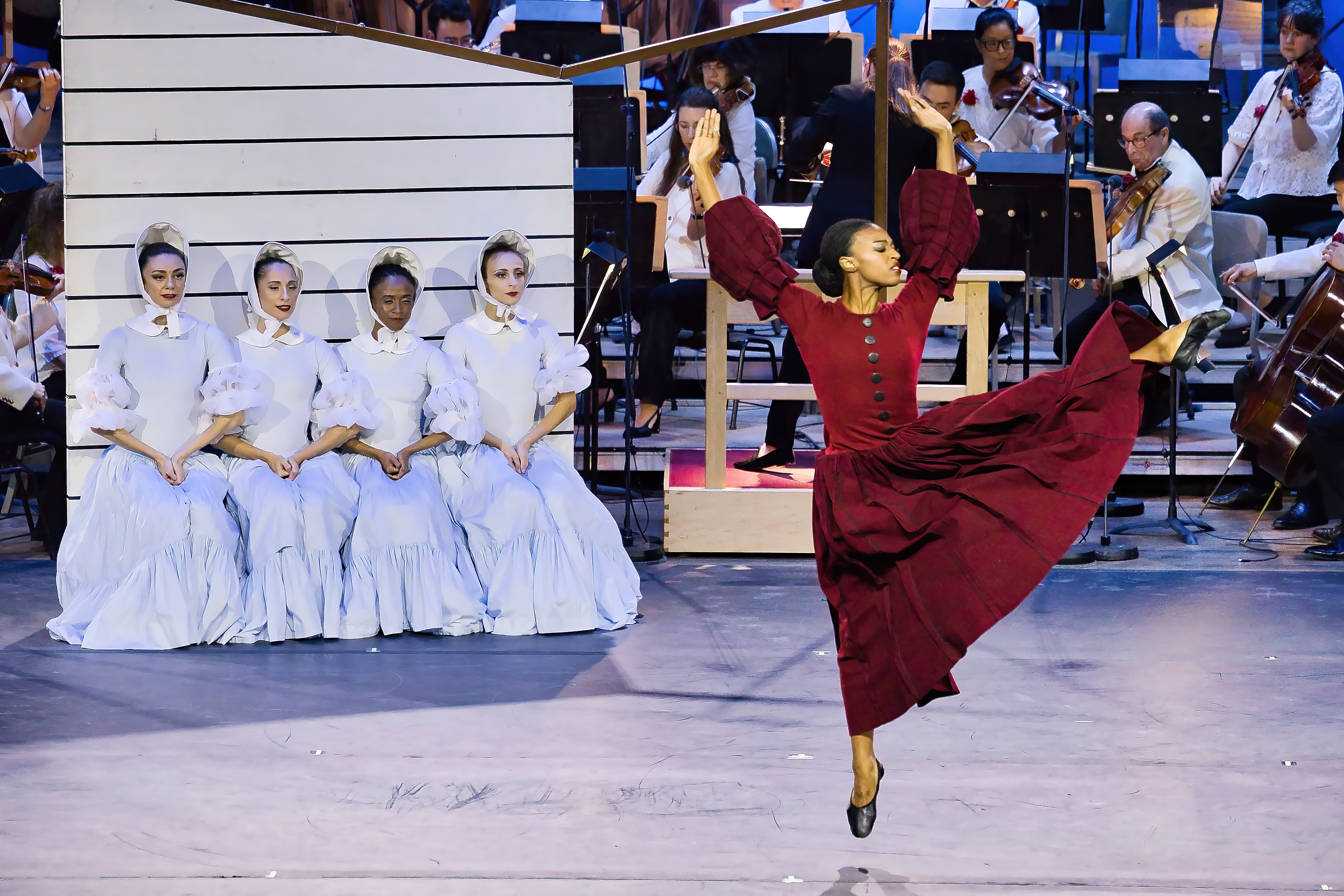
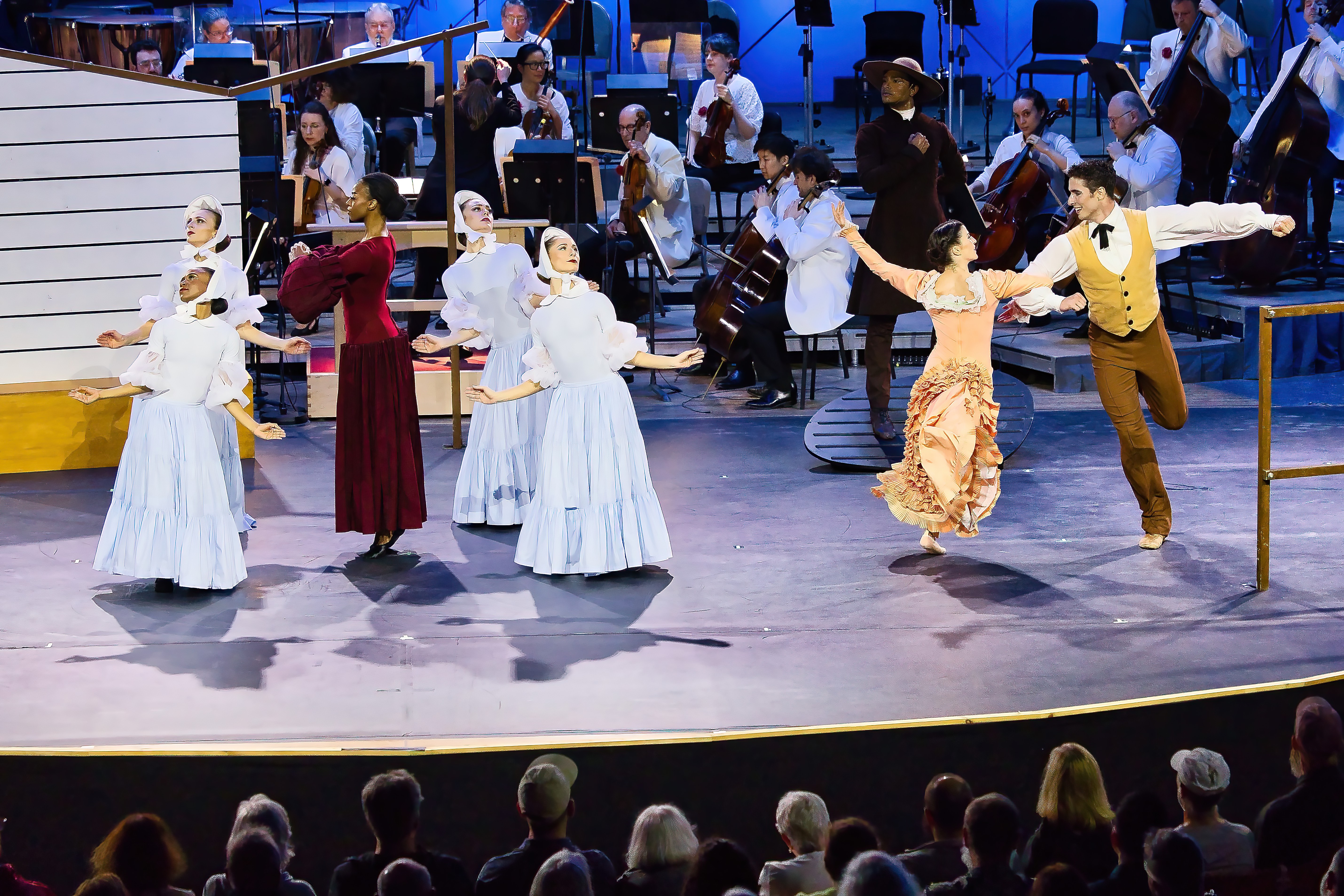
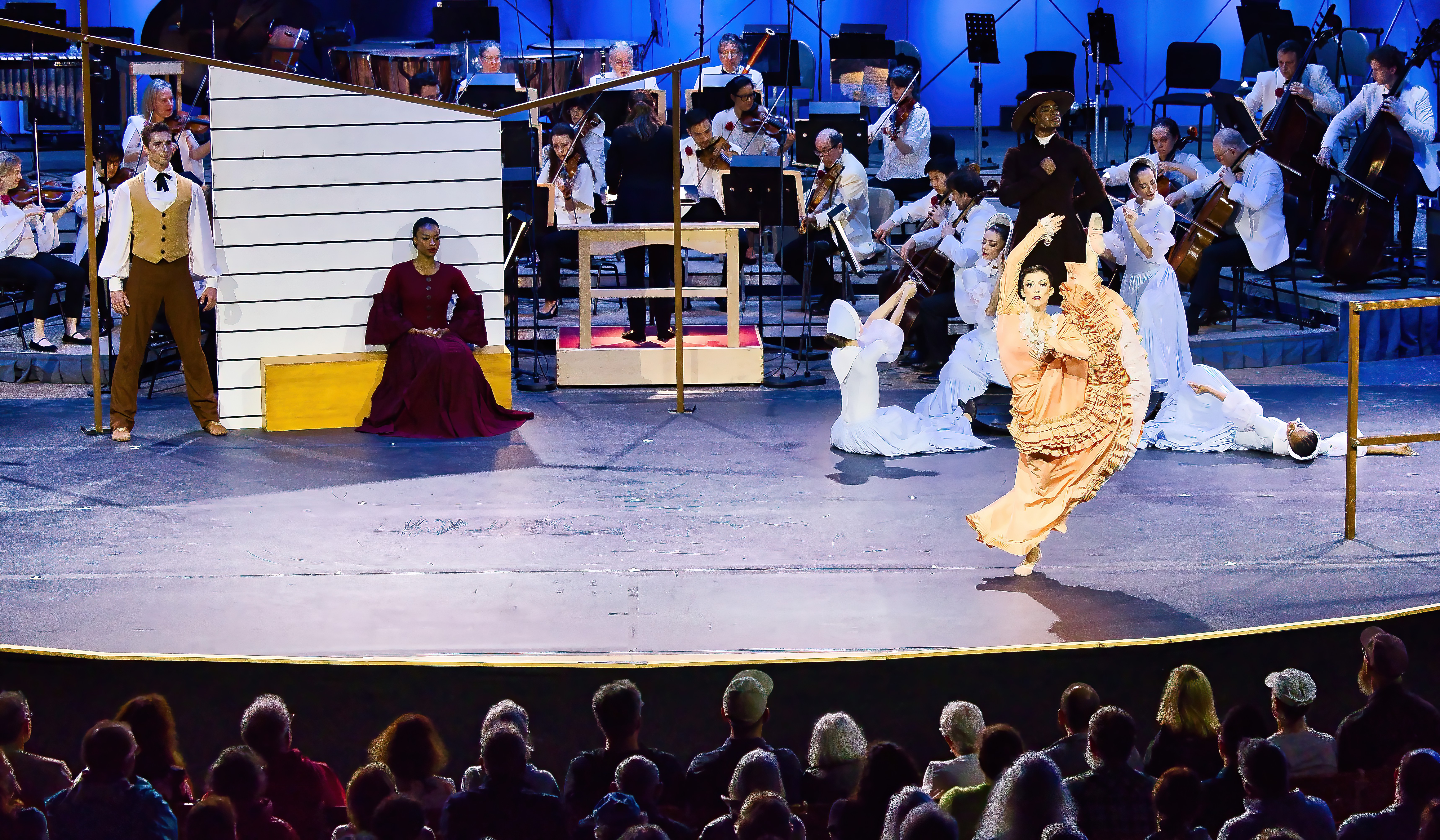
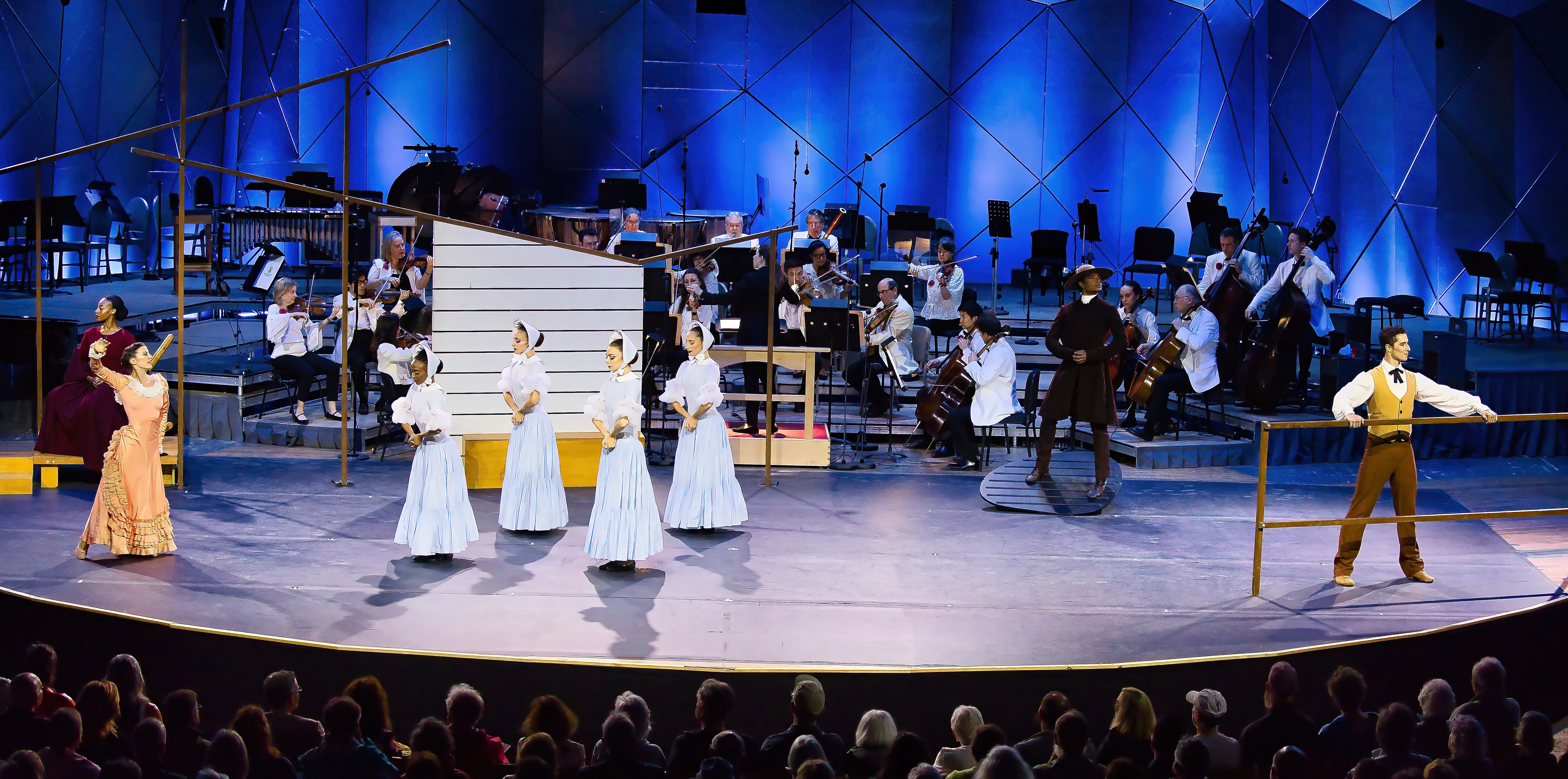
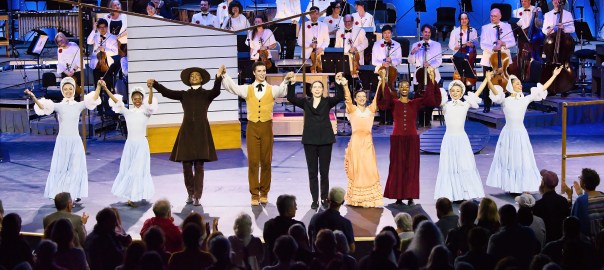
The Boston Symphony Orchestra presented the American musical and choreographic masterpiece Appalachian Spring composed by Aaron Copland in 1943–1944 and choreographed by Martha Graham, which premiered on October 30, 1944, in Washington. Appalachian Spring embodies the American pioneer spirit through a transparent diatonic atmosphere and the famous use of the variations on the Shaker tune Simple Gifts (‘Tis a gift to be simple). Originally written for a small ensemble, it was later arranged as an orchestral suite.
The ballet’s atmosphere evokes dawn, vast landscapes, and 19th-century rural life in Pennsylvania. It was commissioned by Elizabeth Sprague Coolidge for Martha Graham. Copland began work on Graham’s then-untitled scenario in Hollywood in June 1943, completing the ballet a year later in Cambridge, MA. “After Martha gave me this bare outline, I knew certain crucial things — that it had to do with the pioneer American spirit, with youth and spring, with optimism and hope,” Copland later wrote.
Graham took the eventual title from a poem by Hart Crane, though not the narrative of an Appalachian housewarming for a pioneer and his bride. Copland originally scored the ballet for an ensemble of 13 instruments, since the premiere was in the small Elizabeth Sprague Coolidge Auditorium at the Library of Congress (with Graham herself as the Bride, Erick Hawkins as the Husbandman, and Merce Cunningham as the Revivalist). In spring 1945, the same year the ballet music won the composer a Pulitzer Prize for music, he arranged a suite from the ballet for full orchestra.
Graham told Copland that she wanted the dance to be “a legend of American living, like a bone structure, the inner frame that holds together a people,” and the ballet and its music were immediately understood as reflections of national identity, hope and fulfillment in a difficult time. The Spring that is being celebrated is not just any Spring but the Spring of America; and the celebrants are not just half a dozen individuals but ourselves in different phases.
The Martha Graham Dance Company is the oldest dance company in America. The revival of the piece is part of the ensemble’s centenary celebration. Its collaboration with the Boston Symphony Orchestra, the country’s second-oldest orchestra, is most meaningful. Friday’s cast displayed more feistiness than was common in Graham’s day. Times and bodies have changed. Copland’s score was beautifully performed by the BSO. Isamu Noguchi’s minimalist set design centered on American pioneering energy. Many times lovingly rebuilt over the years, it looked as good as ever even though seeming out of proportion on the monumental Koussevitzky Music Shed stage. Even with some of the mystery missing in dance and music, the core was there.
Appalachian Spring explores the cultural zeitgeist and shows how Copland and Graham’s individual goals were reshaped by collaboration and captured the way a dance can embody the ideas and ideals, even the ideologies of the moments of its composition. Brilliantly danced, the ballet embodies a desire for renewal and peace. It could be exactly the reaffirmation, the declaration of American goodness and values, that the US needs most during its 250th anniversary.
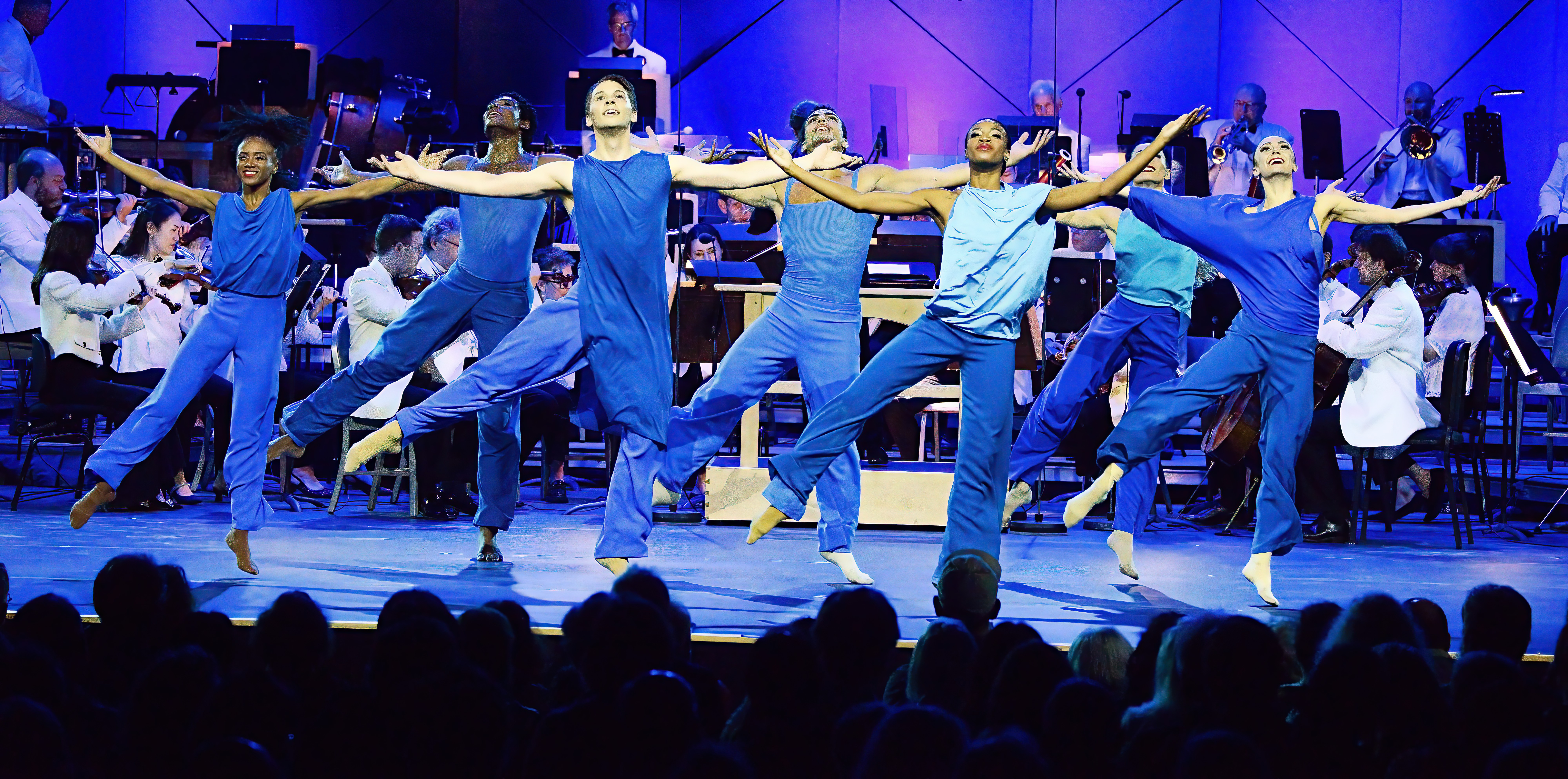
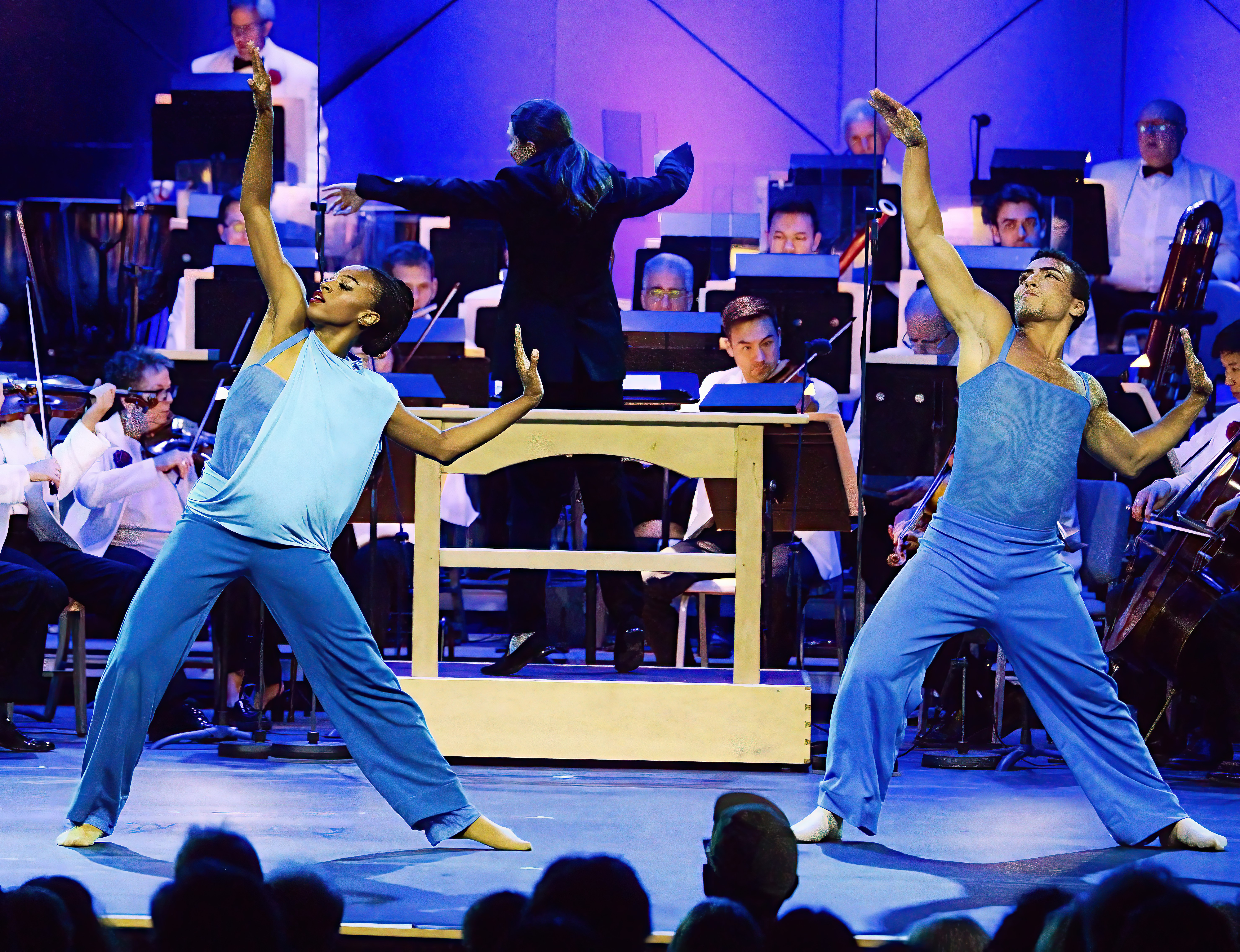
In the next piece For Martha (Variations on a Theme of Leonard Bernstein), the Company has done an admirable job of reinventing itself. The program included a lovely new work, with music by Christopher Rountree and choreography by Hope Boykin. Rountree, who stands at the intersection of classical music, new music, performance art and pop, based it on a fragment of music thought to have been composed by Bernstein for Graham in the 1940s. The dance explores themes of community and connection. Dancers executed deep pliés, quick turns in relevés and beautifully turned-out passés. The use of stretch bands during intricate floor work highlighted the physical restrictions we sometimes face when we attempt to connect with others. The score contained elements of drama, with soloists lit by a single spotlight as they recoiled and trembled with emotion, but also Fosse-esque up-tempo elements that allowed dancers to thrive in jazz and modern ballet choreography. Ultimately, the performance left the audience with a sense of rebirth and a reason to rejoice.
The pièce de résistance came at the end of the program with Beethoven’s Symphony No.7. Beethoven’s Seventh Symphony premiered on December 8, 1813, in the auditorium of the University of Vienna. That evening, a charity concert was being held for Austrian and Bavarian soldiers wounded during the Battle of Hanau the previous October. Beethoven was on the podium, preparing to conduct the work. The greatest musicians of the day — including Antonio Salieri, Johann Nepomuk Hummel, Louis Spohr, and Giacomo Meyerbeer — were gathered for the occasion. The evening was such a triumph that the same concert was scheduled again just four days later!
In the early 1810s, Beethoven was in poor health; he was increasingly deaf and suffered from various ailments. His physician, Dr. Malfatti, recommended that he regularly take the waters at the town of Teplitz’s spa, a highly popular destination nicknamed “Little Paris.” It was there that it is believed that Beethoven began the Seventh Symphony in 1811 while staying in the spa town of Teplitz and completed it in 1812.
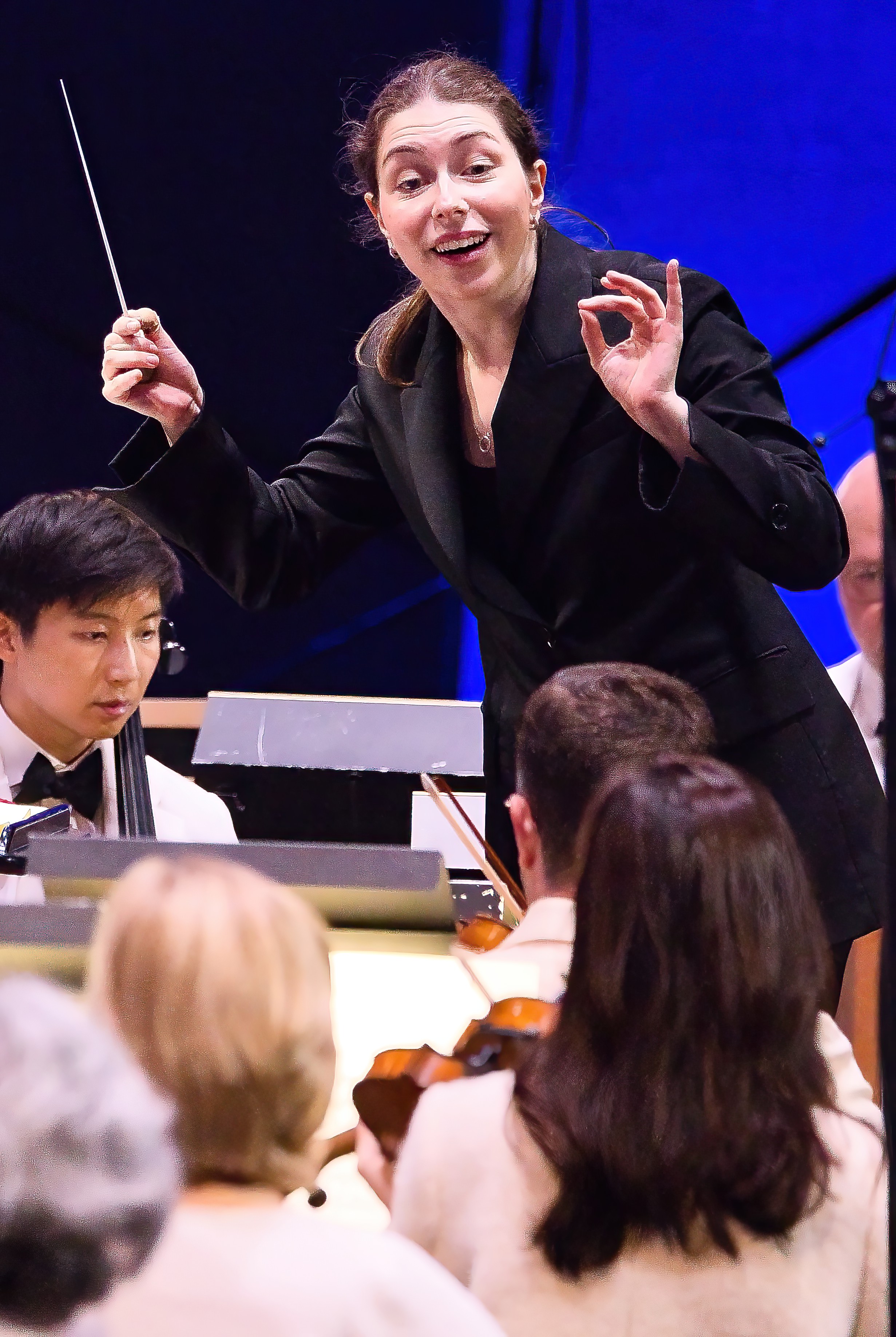
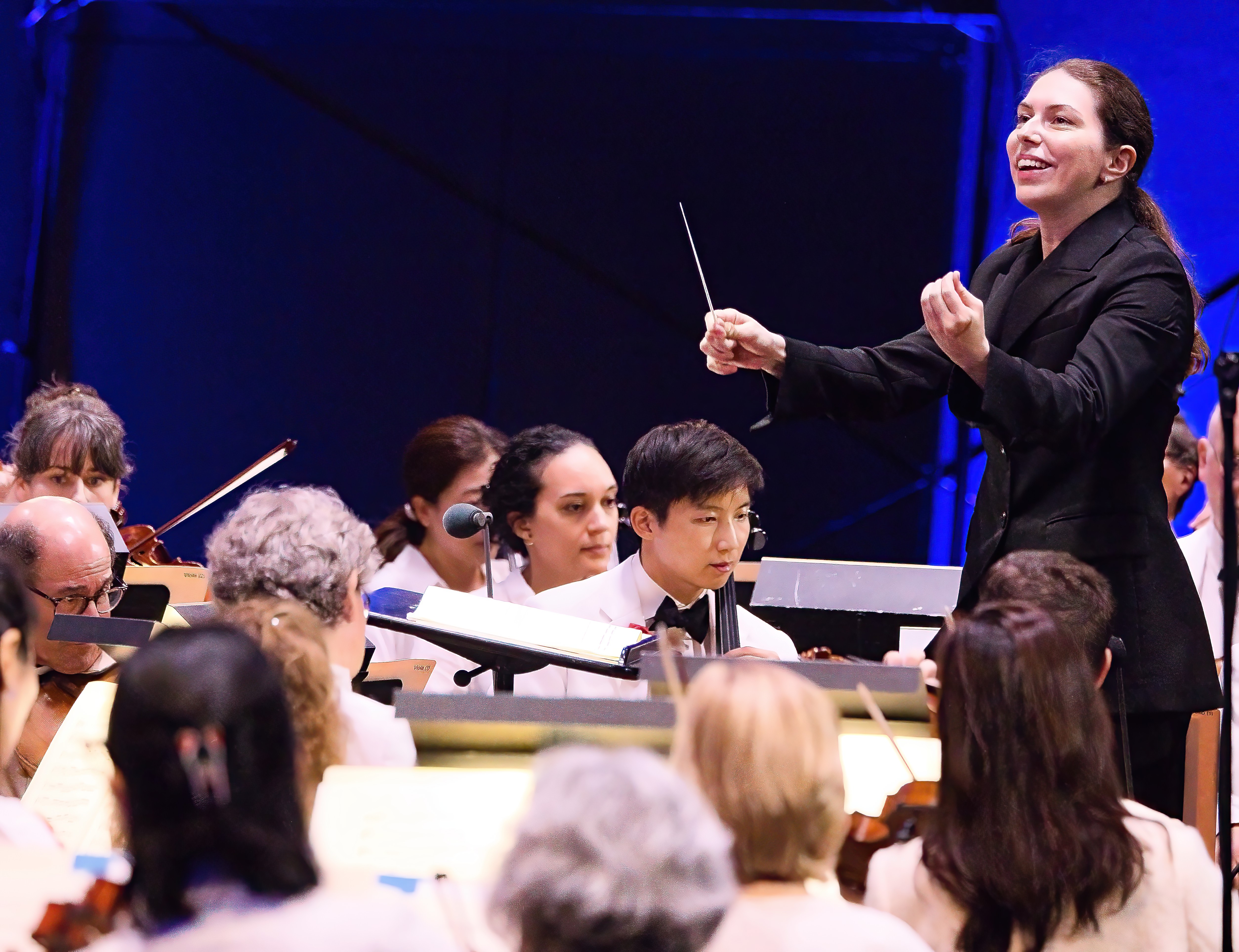
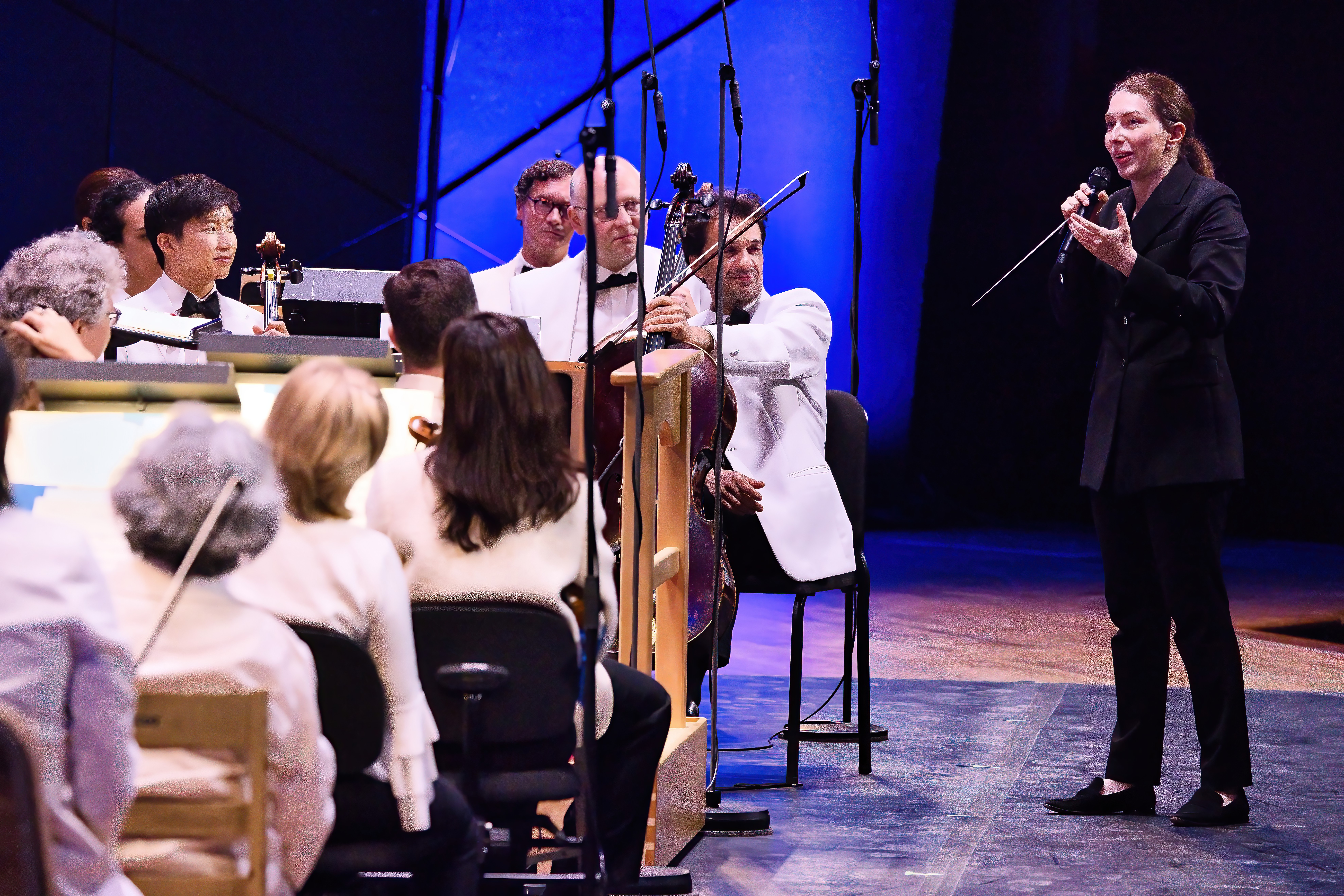
The Seventh is arguably Beethoven’s most jubilant. It bears no trace of a specific programmatic intent. Another distinctive feature is that it contains no conventional slow movement. It is festive and joyful in character throughout. The Boston Symphony Orchestra paid particular attention to rhythm. The first movement, poco sostenuto – vivace, opened with a grand sprawling harmonic introduction, the longest the composer ever wrote, before leaping into a fast, skipping dance powered by an insistent rhythmic pulse. The second movement, the work’s most famous, is a relentless, haunting, hypnotic Allegretto rather than an Andante. Although conductors often tend to take it at a very leisurely tempo, giving it the air of a solemn march, maestra Anna Handler on the contrary kept the tempo brisk throughout. On the evening of the symphony’s premiere, the second movement was repeated in its entirety; I wish the BSO had done the same! The Symphony No. 7’s success has never waned. The orchestra’s performance was also an idealized, high-energy display of bodily motion and rhythmic drive. The third scherzo movement flew by with abrupt dynamic shifts. The fourth movement brought a wild, ferocious finale suggesting unbridled physical stamina, a spinning dance, a perpetual celebration, and a euphoric whirl. It brought to mind Richard Wagner’s remarks: “All the tumult, all the yearning and storms of the heart, here become the blessed exuberance of joy, sweeping us along with bacchanalian power through the vastness of nature.” He added: “The Seventh Symphony is the apotheosis of dance itself: dance at its highest level, the very principle of bodily movement embodied in music.” Both body and heart were engaged in this masterful performance of the work, which once again confirms The BSO’s preeminent status among orchestras.
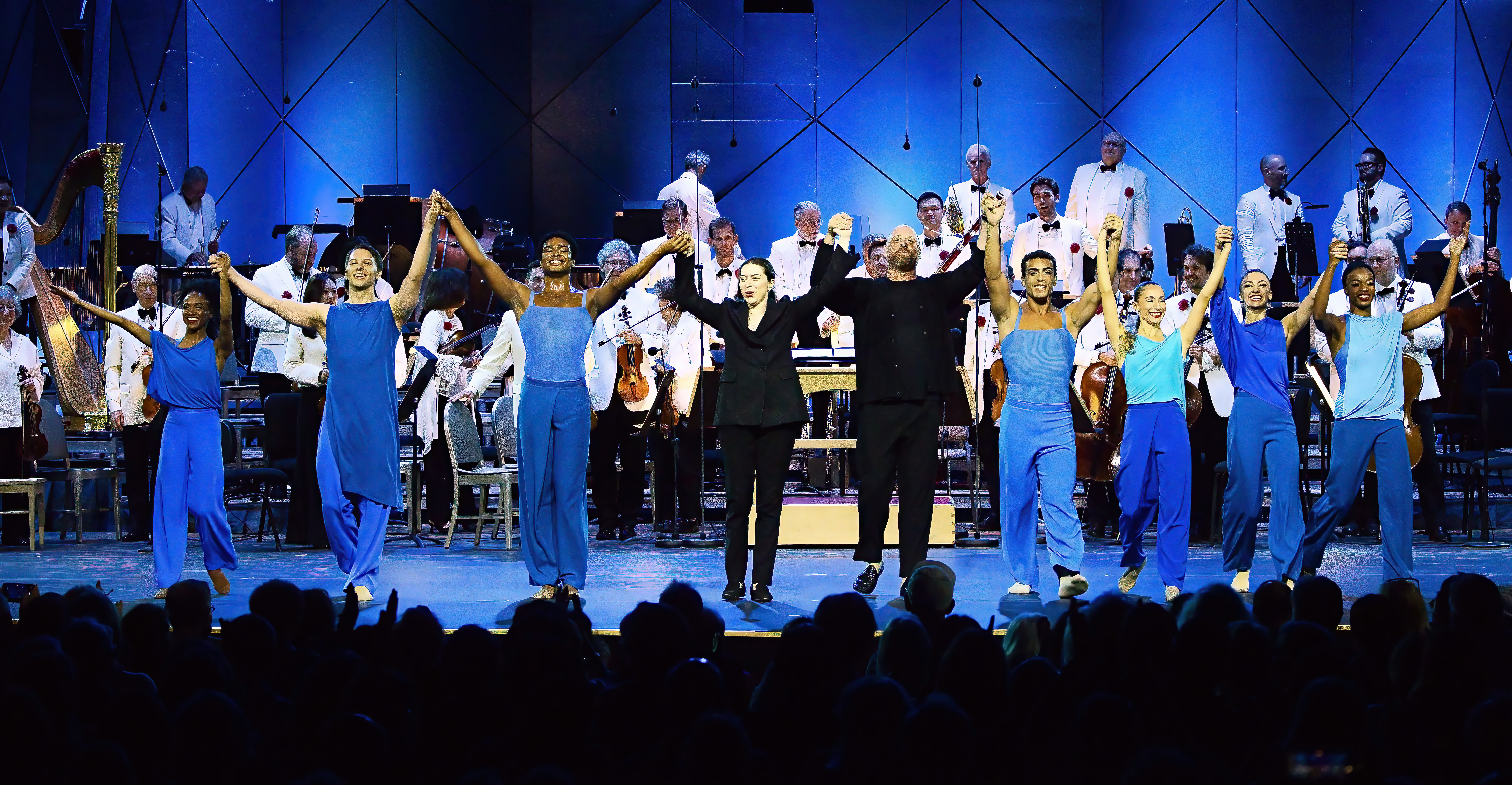
Appalachian Spring is deeply marked by the physical movement, syncopation, and rhythmic buoyancy built for Martha Graham’s choreography. Similarly, the 7th symphony is driven by relentless, pulsating rhythmic ostinatos. The pairing of the lean, transparent, folk-infused textures of 20th-century American modernism evident in Appalachian Spring with the monumental, driving power of a gem of the Austro-German classical canon offered the audience a comprehensive journey through rhythmic momentum. Both works projected an open, energetic, and triumphant spirit. Beethoven’s buoyant major-mode energy matches the wide-open, hopeful pioneer atmosphere of Copland’s Americana. The audience was elated and on its feet at the conclusion of the concert.
Program
Boston Symphony Orchestra
Anna Handler, conductor
Aaron Copland: Appalachian Spring
Martha Graham Dance Company
Janet Eilber, Artistic Director
Christopher Rountree: For Martha (Variations on a Theme of Leonard Bernstein)
Choreography by Hope Boykin
Ludwig van Beethoven: Symphony No. 7
 ART & CULTURE TODAY