Nélida Nassar 12.31.2021
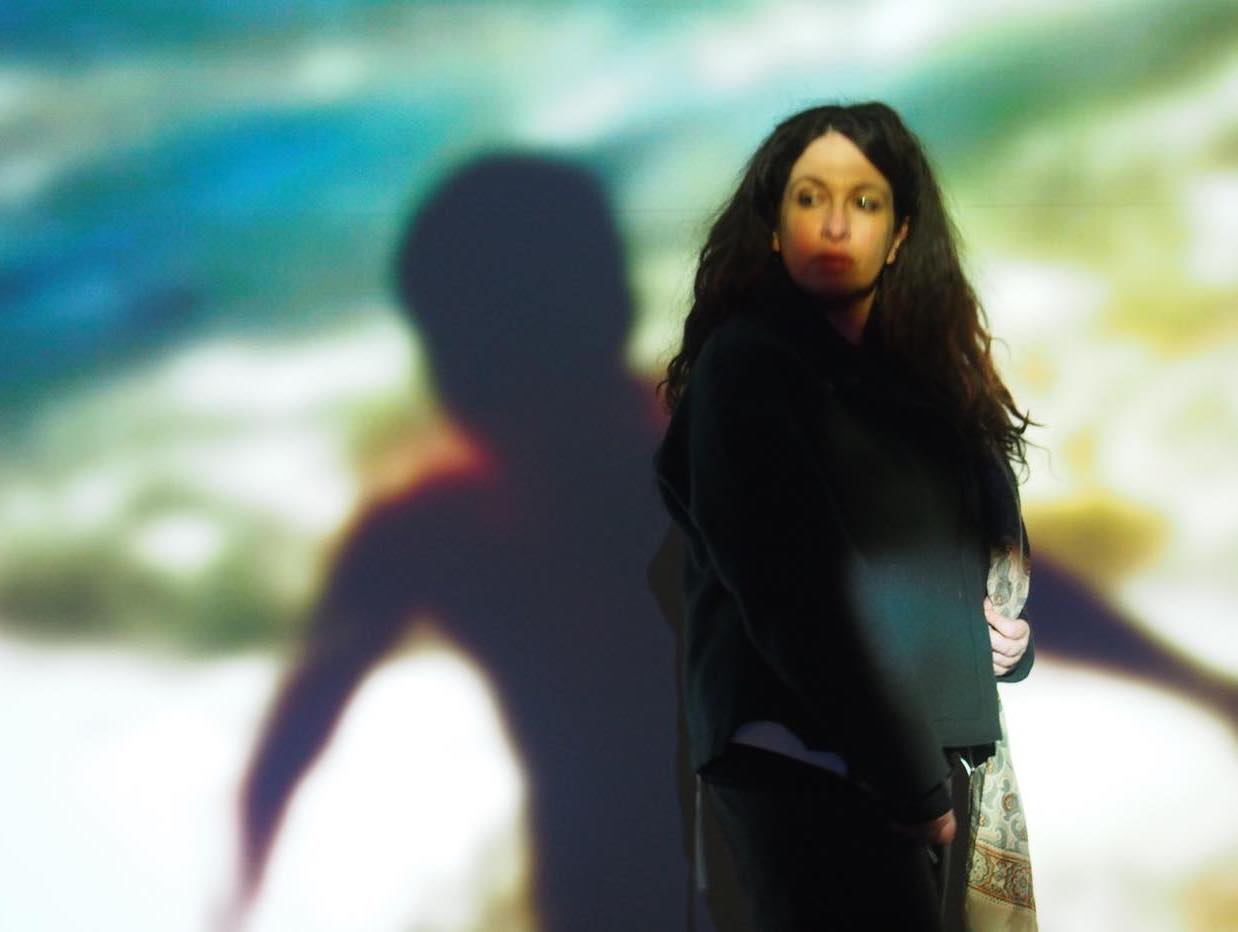


The work of the contemporary Lebanese artist Mireille Kassar, who lives and works in Paris, has received international recognition since the inception of her career. Her first exhibition was at the Miró foundation in Barcelona in 1996.
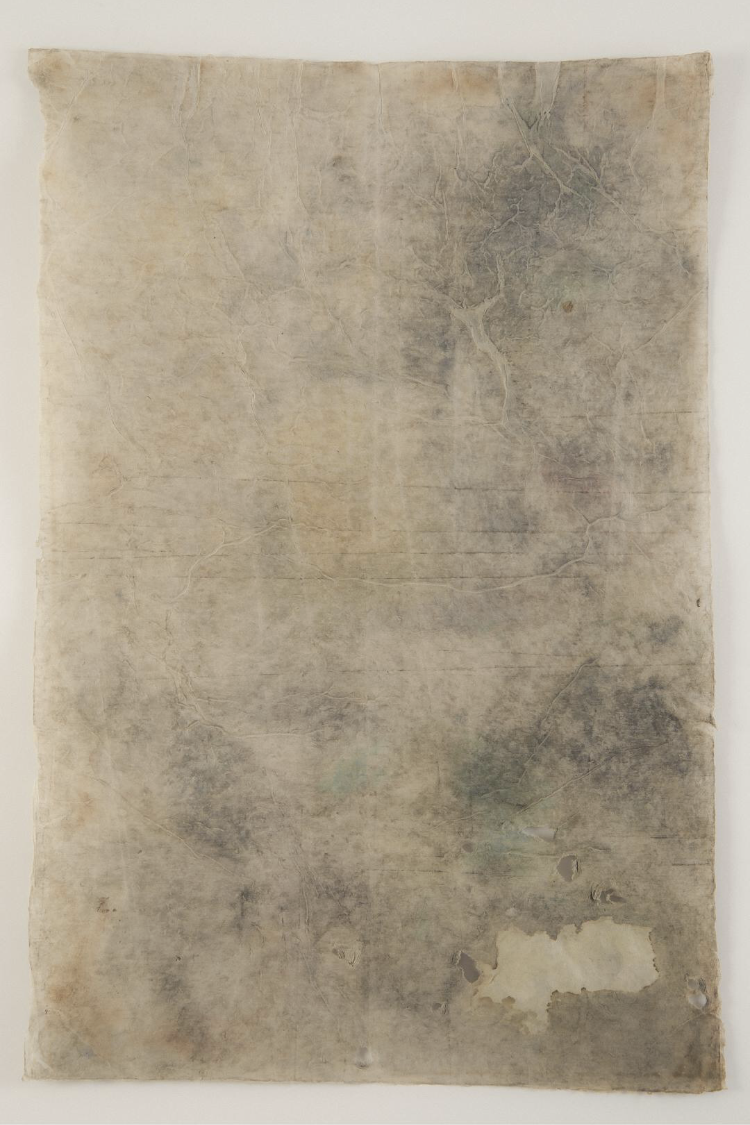
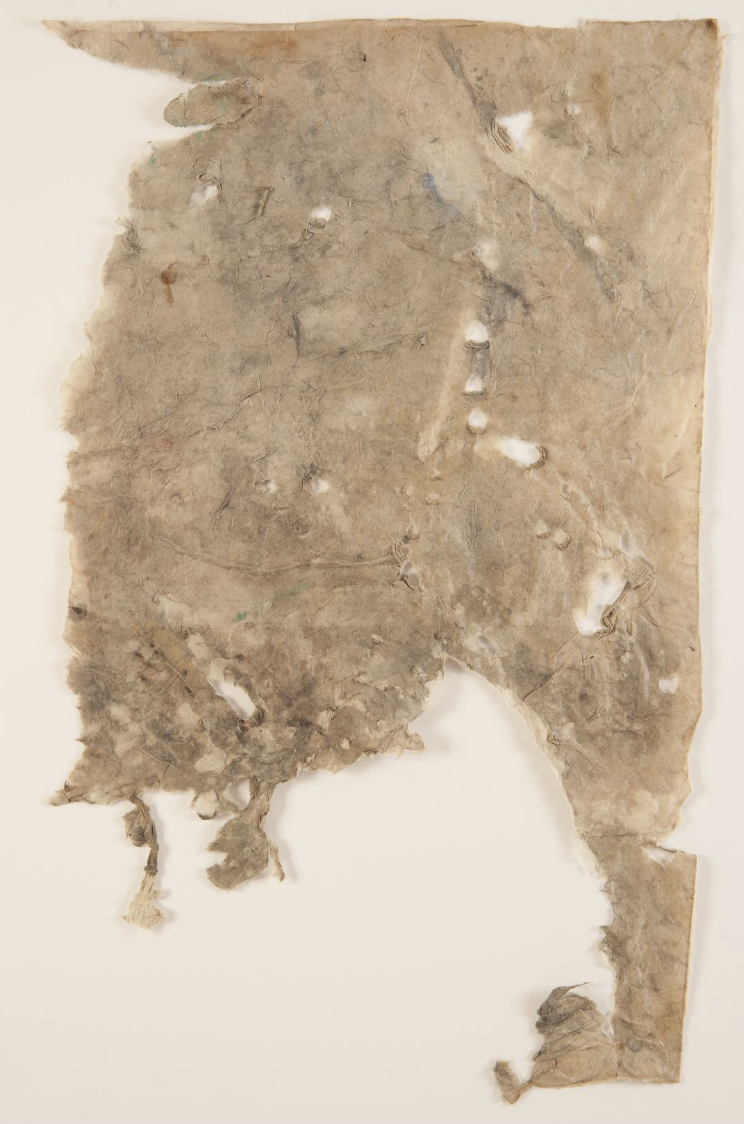
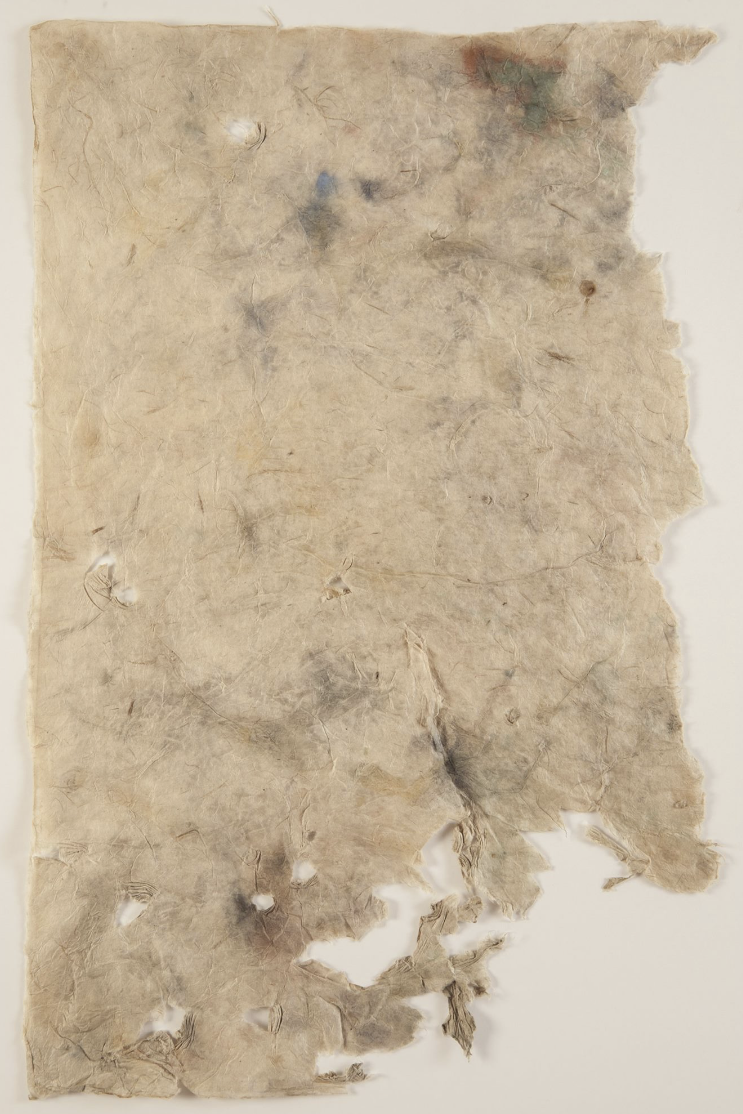
Kassar has just been selected to participate in an exhibition at the Villa Empain in Brussels, Belgium. Organized in co-production with the Pompidou Centre, the selected pieces come from the Pompidou Center’s own collection. The curatorial goal is to establish a dialogue among the exceptional pieces of art it owns by Lebanese artists of all generations including Kassar’s three drawings, entitled “Landscape,” and one of her films, “The Children of Uzai, AntiNarcissus,” that will be shown in a room devoted to her work. The film will also be featured in a new exhibition reflecting the diversity of the collections of the National Museum of Modern Art at the Center Pompidou Malaga which will take place April 11, 2022 to September 11, 2023.
It is particularly difficult to convey verbally what Kassar has expressed with her varied output of painting, drawing, film, installation and other art forms. Words cannot capture the passionate feelings elicited by her art, which is always elusive. One may attempt to do this, but then art is not accountable for the fetishistic verbiage heaped upon it.
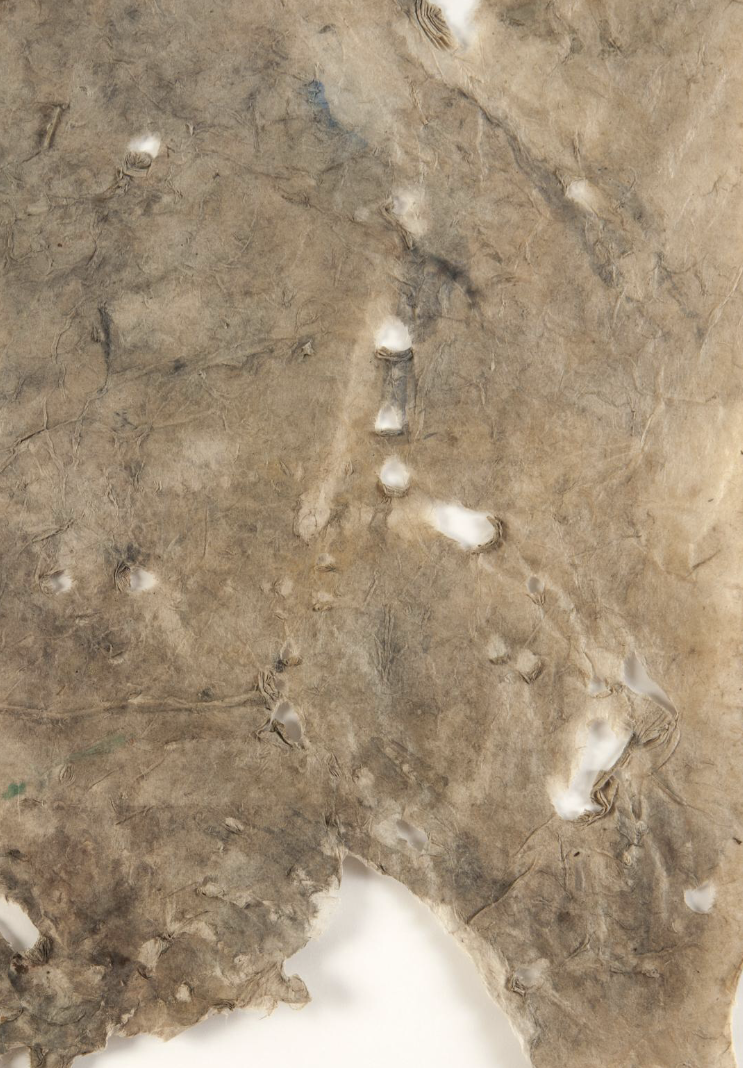
Mireille’s paintings, drawings often recall built structures — landscapes, labyrinths, cities, figures — yet are made of simple, often delicate or fragile materials, using water, paper, pigments and very little binder. She works with brushes, carves away holes, makes slashes, rebuild, destroy, paint, erasing the marks then layering and reconstructing them, so that the material itself becomes a subject in her practice. Absorbing its untidy transformations, she reacts to the element of chance. Her drawings have the appearance of unfinished layerings or archaeological remains, and it is often difficult to discern if they are in the process of construction or collapse. Ranging in scale from the human to the architectural, they reference a diverse set of interests, including Arab and Greek mythology, Gothic and Middle Eastern architecture, cosmology, physics and the tragedy of exile.
Kassar creates breathtaking pieces that surprise by their unusual forms, unconventional use of materials and distinctive range of reference and allusion. In every instance, they convey fleeting, elusive sensations and experiences. Her work has set new precedents for the!form and
meaning of art in several mediums, all the while maintaining a certain reverential and archetypical character. Her working methods recall the techniques of Joomshi artists, creating and transforming strongly evocative paper surfaces, sometimes emphasizing textured surfaces and sometimes smooth ones. Over time, these surfaces become more and more smooth and elegant, like leather. During the depths of Lebanon’s civil war and continuing through the August 4th blast, Kassar has increasingly emphasized materials over images. The three drawings and the film on display, curated by Alicia Knock of the Pompidou Center, are well chosen to illustrate the artist’s pulverizing of both materials and precedents into flat blurry forms that turn the traditional subjects of still lifes into lovely shadows of their former selves. Caravaggio, Fontana, Matta Clark and Lascaux all seem ground into these rubbed, compressed surfaces. The few dark smudges and lines transform her images into a ghostly,
startlingly radical presence.
Kassar builds out from these saturated areas – a dense and translucent series of marks and textures, a place of transformation and change – achieving physical and critical mass with her series entitled “Landscape.” Their round, rough blobs of troweled marks, accented with vague profiles and tints of color and suggestive of disfigured faces, allow us to perceive (or imagine we perceive) a storyline, a subject matter, a feeling, an emotion, an expression. These sill lifes which achieve a mystical resonance offer moving testimony to the tensions between tradition and innovation and are marked by a joyful appreciation of the processes of transformation. Kassar’s preoccupation with the notions of fragility, freedom, and time is omnipresent. Despite the dark themes of pain, exile, and truncated childhood in her work, Kassar’s drawings and film are arrestingly seductive.
CAPTIONS
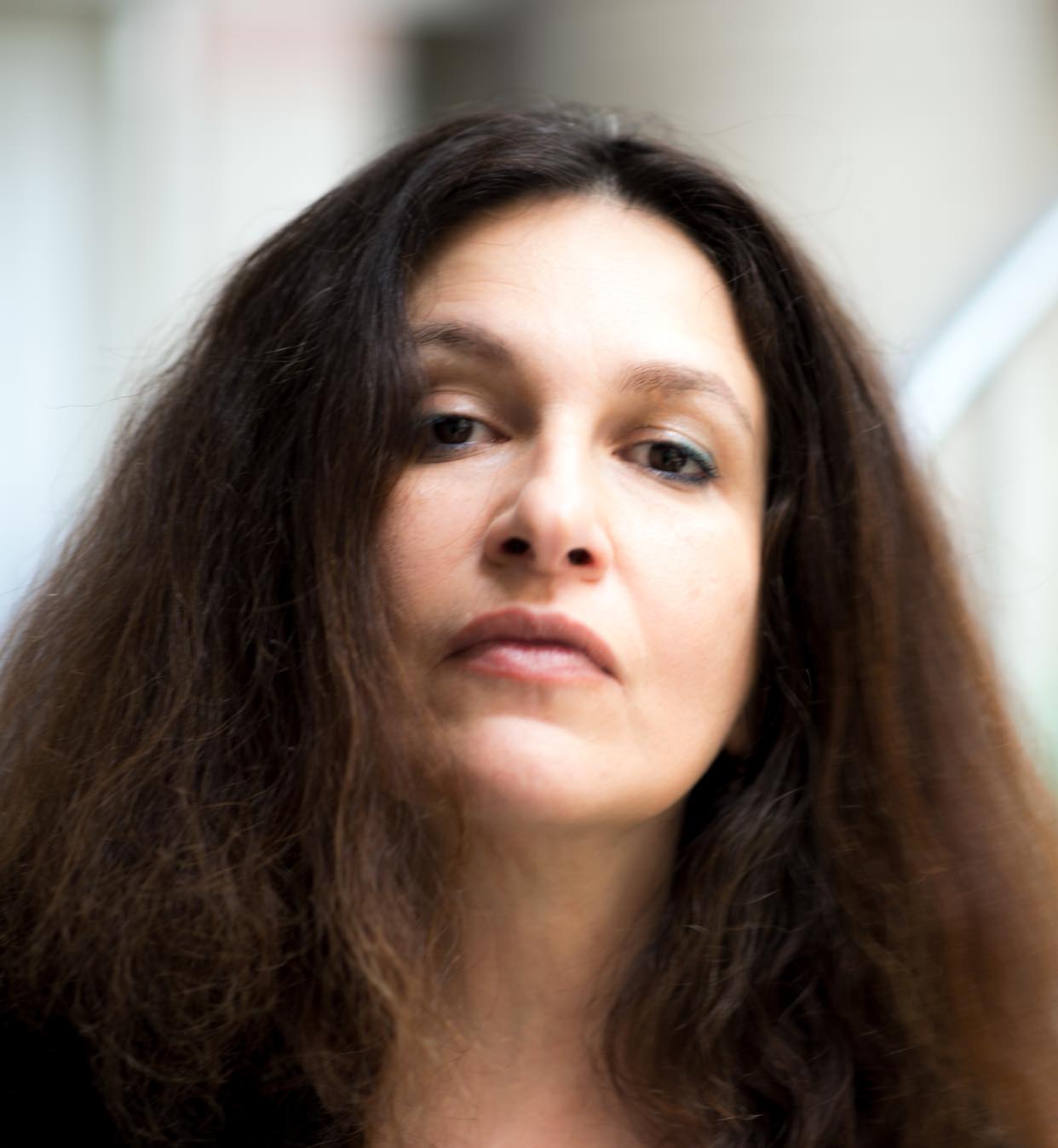
1. Mireille Kassar Portrait
2. Mireille Kassar: Sequel from “The Children of Uzai, AntiNarcissus”
3. Mireille Kassar: Landscape 1, 2012
Tibetan Handmade Paper Natural Pigments, 83.3 x 59.3 cm
Centre Georges Pompidou
4. Mireille Kassar: Landscape 1, 2012
Tibetan Handmade Paper Natural Pigments, 83.3 x 59.3 cm
Centre Georges Pompidou
5. Mireille Kassar: Landscape 3, 2012
Tibetan Handmade Paper Natural Pigments, 83.3 x 59.3 cm
Centre Georges Pompidou
6. Mireille Kassar: Landscape 4, 2012
Tibetan Handmade Paper Natural Pigments, 83.3 x 59.3 cm
Centre Georges Pompidou
7. Mireille Kassar: Sequel from “The Children of Uzai, AntiNarcissus”
8. Mireille Kassar Portrait

